
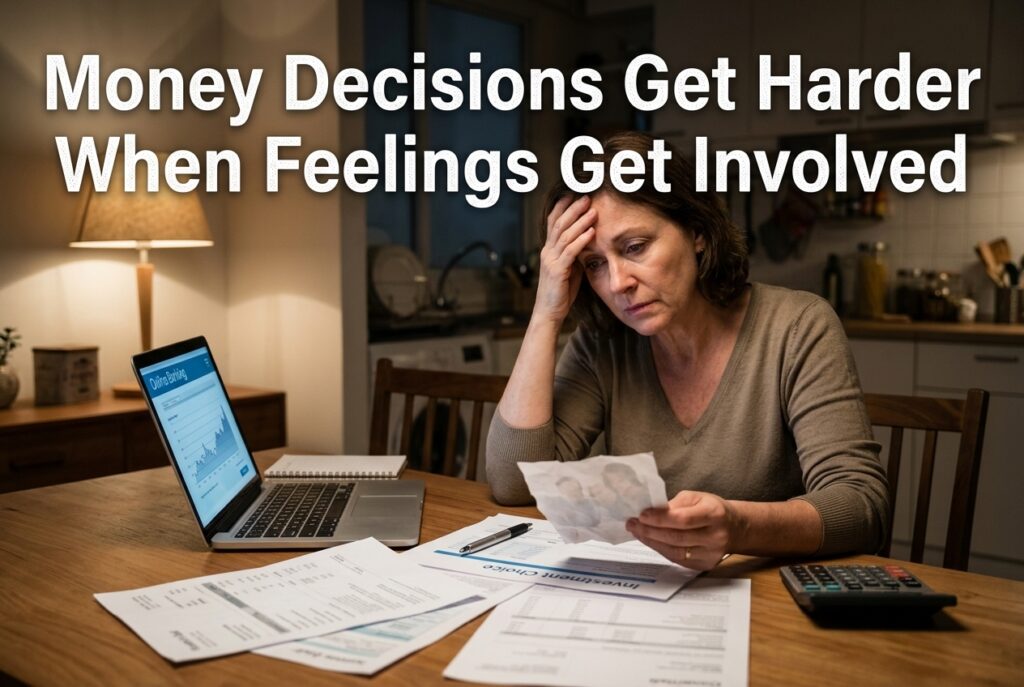
Money Decisions Get Harder When Feelings Get Involved
Money decisions are rarely all about numbers. In fact, emotions can strongly influence how you respond to financial challenges, opportunities, and surprise expenses. When you’re experiencing panic, stress, excitement, or shame, your brain can shift away from careful planning and toward instinctive reactions.
Even when considering practical solutions such as Phoenix car title lenders, a calm evaluation of costs, terms, and repayment expectations can help ensure the decision fits your financial circumstances. Understanding how emotions affect financial choices is the first step toward avoiding impulsive and potentially expensive missteps.
How Emotions Influence Financial Decisions
Financial choices often carry emotional weight because money is linked to independence, security, and personal objectives. If you’re anxious about an unpaid bill, you may have the urge to immediately resolve the problem. But if you’re excited about a purchase, that could make its long-term cost seem less important.
Stress can narrow your attention, causing you to focus on solving an immediate problem rather than mulling future consequences. Likewise, shame could discourage you from seeking help or reviewing your finances honestly. If you can recognize these emotional responses, it can become easier to step back and approach a decision more objectively.
Panic Can Result in Short-Term Thinking
Financial emergencies can trigger a great sense of urgency. If you’re worried about keeping up with an essential expense, waiting can seem impossible. Consequently, you may choose the first available option without considering alternatives.
A useful approach may be to separate the immediate problem from the financial decision itself. First, determine how much money you need, and when you need it. Then consider available resources, potential options, total costs, and repayment requirements. Even a brief pause can help you make a deliberate choice.
Excitement Can Affect Judgment
Not all emotional financial flubs derive from negative feelings. Excitement can also distort judgment. A big purchase, investment opportunity, or limited-time offer can create a sense that you must act immediately.
Before you spend, ask yourself whether the purchase supports a financial goal or simply satisfies a desire. Waiting 24 hours before making a major discretionary purchase can help reveal whether the decision still makes sense after the early excitement fades.
Stress Makes Financial Planning Hard
Constant financial stress can make money management feel exhausting. When you’re overwhelmed, you may even avoid simple tasks like creating a budget or reviewing account balances.
Breaking financial responsibilities into smaller steps can make them more manageable. Begin by listing essential monthly expenses, your income, current debts, and your savings. Once you have the picture, you should prioritize the most urgent responsibilities and craft a realistic plan for the rest.
Shame Can Prevent Better Decisions
Shame can also interfere with financial judgment. If you feel embarrassed about debt or have limited savings, you may avoid opening bank statements, talking about money with trusted family and friends, or seeking professional help.
Financial circumstances are not a measure of personal worth. Treating money challenges as problems to solve instead of personal failures can encourage healthier behavior. Honest assessment is often the start of real improvement.
Pause Before Acting
One of the most effective ways to manage emotional financial decisions is to create a pause-and-review process. Before making a big financial decision, ask yourself: What problem am I trying to solve? What will this decision cost overall? And how will repayment of ongoing expenses affect my future budget? If you write down the answers, it can make emotional assumptions easier to identify. You can also gain perspective by comparing alternatives.
By understanding the psychology behind financial decisions and developing deliberate habits, you can make decisions that support your immediate needs as well as your long-term financial health.