
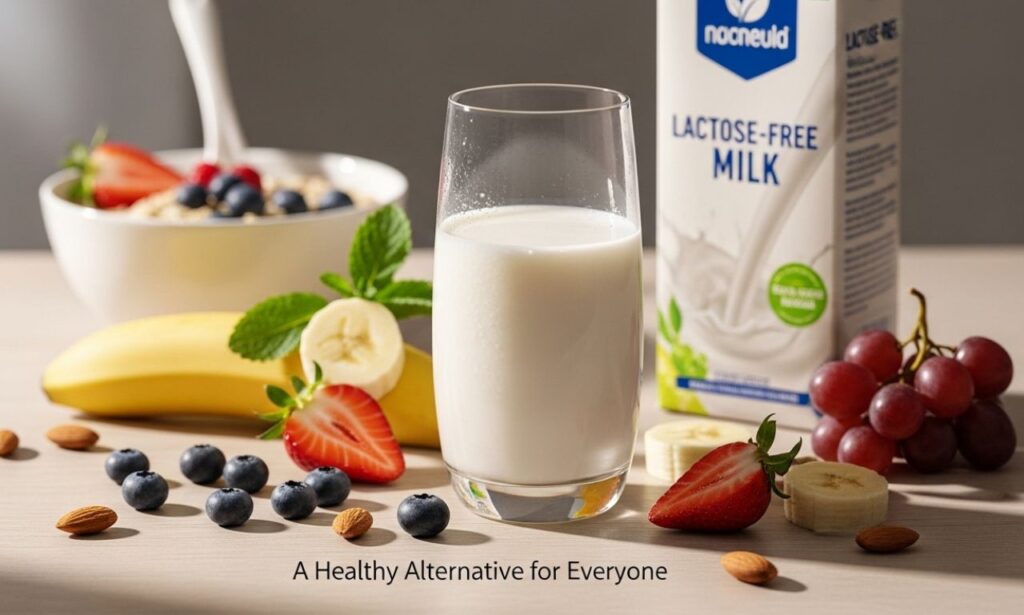
Lactose-Free Milk: A Healthy Alternative for Everyone
Lactose-free milk is a popular dairy alternative designed for people who are sensitive to lactose, a natural sugar found in milk. Lactose intolerance affects millions worldwide, making it difficult for them to enjoy regular milk without experiencing digestive discomfort such as bloating, gas, and diarrhea.
Lactose-free milk provides the same essential nutrients as regular milk—calcium, protein, vitamin D, and potassium—without the discomfort caused by lactose. With its growing popularity, lactose-free milk has become widely available in grocery stores and is used in cooking, baking, and daily consumption.
What Is Lactose-Free Milk?
Lactose-free milk is regular cow’s milk that has been treated to remove or break down lactose. Manufacturers use the enzyme lactase to pre-digest the lactose sugar, converting it into simpler sugars, glucose, and galactose, which are easier to digest.
Despite this modification, lactose-free milk retains the same creamy taste and nutritional value as traditional milk. It is available in whole, low-fat, and skim varieties, making it a versatile choice for everyone.
Who Needs Lactose-Free Milk?
Lactose-free milk is particularly beneficial for:
-
People with lactose intolerance: The primary audience who cannot digest regular milk comfortably.
-
Children and adults seeking digestive comfort: Even mild lactose sensitivity can be managed with lactose-free milk.
-
Athletes and active individuals: It provides a protein-rich, easily digestible option for muscle recovery.
-
Families looking for versatile milk alternatives: It can be used in recipes without altering taste or texture.
Nutritional Benefits of Lactose-Free Milk
Lactose-free milk offers several health benefits:
1. Rich in Calcium
Calcium is essential for strong bones and teeth. Lactose-free milk provides the same calcium content as regular milk, supporting bone health across all ages.
2. High-Quality Protein
It contains complete protein, including all nine essential amino acids, supporting muscle growth and repair.
3. Vitamin D and Potassium
Vitamin D improves calcium absorption, while potassium supports heart and muscle function. Lactose-free milk delivers these nutrients in the same amounts as regular milk.
4. Digestive Comfort
By eliminating lactose, this milk prevents symptoms like bloating, gas, and diarrhea, making it easier to enjoy dairy without discomfort.
Types of Lactose-Free Milk
Lactose-free milk comes in several varieties to suit different preferences:
-
Whole Lactose-Free Milk: Retains full creaminess and fat content.
-
Low-Fat Lactose-Free Milk: Contains less fat while still providing essential nutrients.
-
Skim Lactose-Free Milk: Fat-free option for those monitoring calorie intake.
-
Flavored Lactose-Free Milk: Options like chocolate or vanilla for children or dessert use.
Uses of Lactose-Free Milk
Lactose-free milk can be used just like regular milk. Common uses include:
-
Drinking straight: A nutritious beverage for breakfast or snacks.
-
Cooking and baking: Works perfectly in recipes for pancakes, cakes, sauces, and soups.
-
Coffee and tea: Blends smoothly in hot and cold beverages.
-
Smoothies and protein shakes: Provides creamy texture and high protein content.
Its versatility makes it an ideal dairy replacement for lactose-sensitive individuals.
Lactose-Free Milk vs Plant-Based Milk
It’s important to distinguish lactose-free milk from plant-based alternatives like almond, soy, or oat milk:
| Feature | Lactose-Free Milk | Plant-Based Milk |
|---|---|---|
| Source | Cow’s milk | Plants (almond, soy, oat, etc.) |
| Protein | High-quality, complete | Varies, often lower unless fortified |
| Calcium | Naturally present, often fortified | Fortified in most commercial products |
| Taste | Similar to regular milk | Varies by plant type |
| Lactose | Removed | Naturally absent |
Lactose-free milk provides the closest taste and nutrition to regular milk while remaining easy to digest.
Tips for Buying and Storing Lactose-Free Milk
-
Check the label: Ensure it is labeled “lactose-free” for accurate assurance.
-
Consider fat content: Choose whole, low-fat, or skim depending on dietary needs.
-
Shelf life: Unopened lactose-free milk can last longer than regular milk due to ultra-pasteurization. Once opened, refrigerate and consume within 7–10 days.
-
Use in recipes: Can substitute one-to-one for regular milk without altering flavor or consistency.
Conclusion
Lactose-free milk is an excellent option for anyone seeking the benefits of dairy without the digestive discomfort caused by lactose. Rich in calcium, protein, and essential vitamins, it supports overall health while being versatile enough for cooking, baking, and beverages.
Whether you are lactose intolerant, looking for an easy-to-digest milk, or simply exploring dairy alternatives, lactose-free milk offers a convenient and nutritious solution for everyday use.