
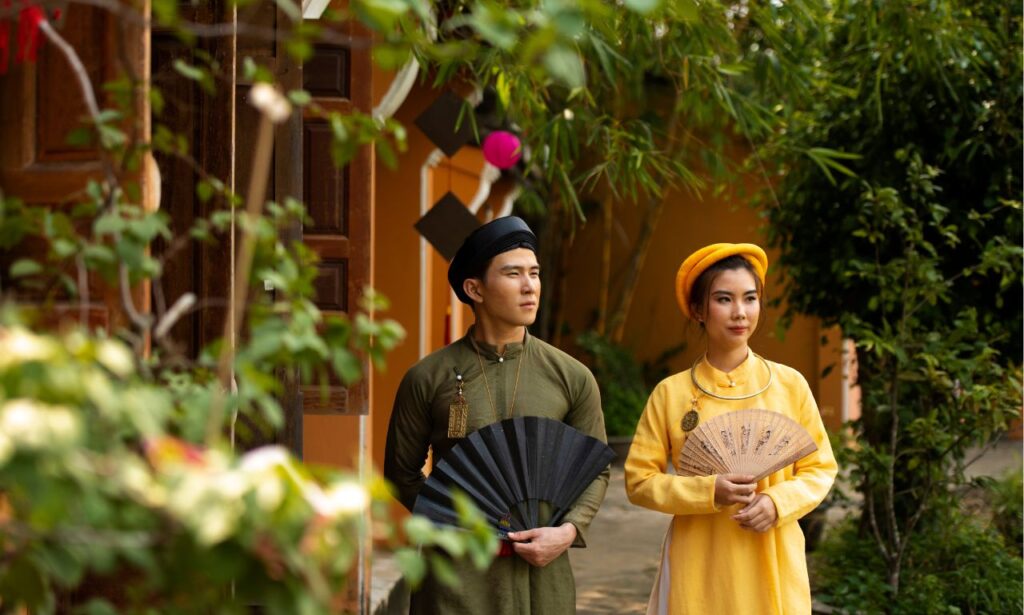
Vietnamese: Language, Culture, and Heritage Explained
The term Vietnamese encompasses the people, language, and rich cultural heritage of Vietnam, a vibrant Southeast Asian country. Understanding Vietnamese identity involves exploring the language, traditions, history, and daily life that make this culture unique and globally influential.
Vietnamese Language: A Linguistic Overview
The Vietnamese language is a tonal language belonging to the Austroasiatic family. Its writing system, Quốc Ngữ, uses Latin-based letters with diacritics to indicate tones and pronunciation. Vietnamese is known for its six distinct tones, which can completely change the meaning of a word.
Vietnamese vocabulary reflects centuries of influence from other cultures. Chinese historically shaped governance, philosophy, and literature, while French colonization contributed words in areas like cuisine, fashion, and administration. Modern Vietnamese continues to adopt English terms, reflecting globalization.
Vietnamese People: Ethnic Diversity and Demographics
Vietnam is home to 54 recognized ethnic groups, with the Kinh people forming the majority. Minority groups like the Hmong, Tay, and Khmer contribute to the country’s cultural diversity.
Vietn amese communities also exist internationally, particularly in the United States, France, Canada, and Australia. These diaspora communities preserve language, cuisine, and traditions, maintaining Vietn amese heritage around the globe.
Vietnamese Culture and Traditions
Family plays a central role in Vietn amese culture, emphasizing respect for elders and ancestor worship. Homes often have an altar to honor deceased relatives, reflecting deep spiritual values.
Festivals are a cornerstone of Vietnamese life:
-
Tet (Lunar New Year): Celebrated with family gatherings, traditional foods, and symbolic customs for prosperity.
-
Mid-Autumn Festival: Focused on children, lanterns, and mooncakes.
-
Local Harvest Festivals: Celebrating agricultural traditions across regions.
Traditional arts, including water puppetry, silk painting, and lacquerware, showcase the creativity and historical heritage of the Vietn amese people.
Vietnamese Cuisine: A Culinary Delight
Vietn amese cuisine is celebrated worldwide for its fresh ingredients and balanced flavors. Signature dishes include:
-
Pho: A flavorful noodle soup with herbs and meats.
-
Banh Mi: A French-inspired sandwich with local ingredients.
-
Spring Rolls: Fresh or fried, often served with dipping sauces.
Regional differences define Vietn amese cuisine: the North favors subtle flavors, Central Vietnam embraces spiciness, and the South enjoys sweeter, herb-rich dishes. Street food culture is vibrant, offering quick and delicious meals for locals and tourists alike.
History of the Vietnamese People
Vietn amese history is marked by resilience and adaptation. Centuries of Chinese rule, Mongol invasions, and French colonization shaped governance, culture, and art. The 20th century brought the struggle for independence and the Vietnam War, leaving a lasting impact on society. Despite these challenges, the Vietn amese maintained a strong cultural identity, rebuilding the nation and fostering modern development.
Modern Vietnamese Society
Urban centers like Hanoi and Ho Chi Minh City reflect rapid modernization, technology adoption, and global connectivity. Meanwhile, rural areas maintain agricultural traditions and local customs.
Vietn amese youth play a key role in blending tradition with modernity, preserving cultural practices while embracing global trends in fashion, music, and technology.
Vietnamese Diaspora and Global Influence
The Vietn amese diaspora has spread Vietn amese culture worldwide. Communities abroad share cuisine, festivals, and art, fostering cultural exchange. Vietn amese professionals also contribute globally in sectors such as technology, education, and business.
Conclusion
The term Vietn amese represents a rich interplay of language, culture, history, and resilience. From tonal language and traditional arts to diverse cuisine and festivals, Vietn amese identity reflects centuries of growth and adaptation. Whether in Vietnam or abroad, the Vietn amese people continue to preserve their heritage while embracing modernity, making their culture vibrant, influential, and enduring.