
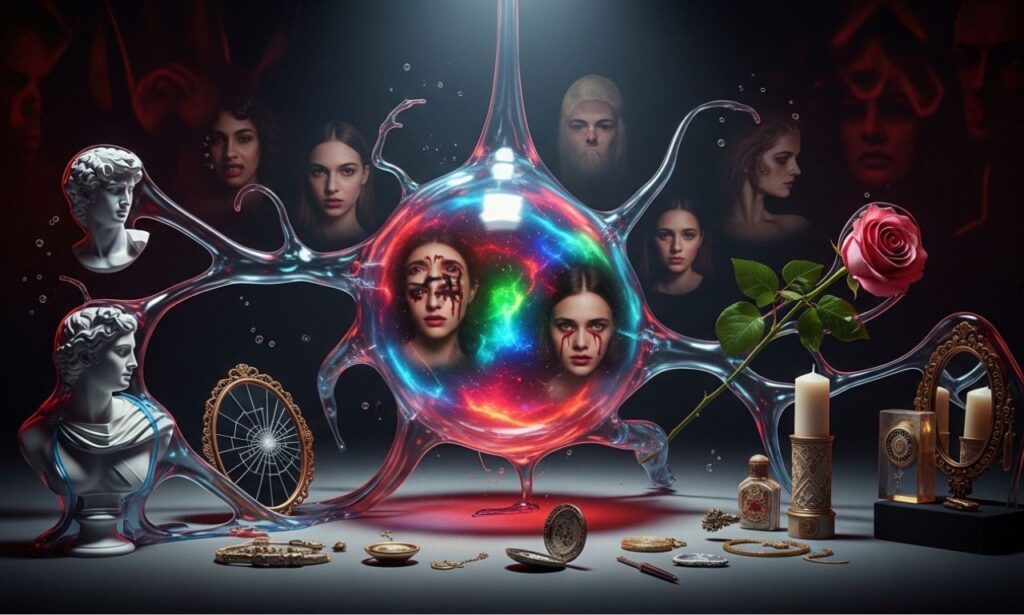
The Substance: A Bold Exploration of Beauty, Identity, and Obsession
The Substance is a provocative body horror film that challenges societal standards of beauty, youth, and self-worth. Directed by acclaimed French filmmaker Coralie Fargeat, The Substance blends psychological tension with graphic transformation to create an unsettling yet thought-provoking cinematic experience. Since its premiere, The Substance has generated intense discussion among critics and audiences for its fearless storytelling and striking performances.
In this article, we examine The Substance’s plot, themes, cast, visual style, critical reception, and cultural significance.
The Plot of The Substance
The Substance centers on a fading celebrity who becomes desperate to reclaim her youth and relevance in an industry that prioritizes appearance above all else. The protagonist, portrayed by Demi Moore, discovers a mysterious product promising a “better version” of herself. This experimental treatment creates a younger duplicate, played by Margaret Qualley.
At first, the arrangement appears ideal. The younger counterpart thrives, gaining attention and admiration, while the older version retreats into the background. However, strict rules govern the process, and any imbalance leads to disturbing consequences. As the narrative unfolds, The Substance escalates into shocking body horror, exposing the emotional and physical toll of chasing perfection.
The film gradually transforms from a satirical commentary into a visceral cautionary tale about vanity and control.
Coralie Fargeat’s Vision in The Substance
Director Coralie Fargeat is known for crafting intense, female-centered thrillers. Prior to The Substance, she gained recognition for her revenge thriller Revenge. In The Substance, Fargeat expands her thematic focus, blending feminist commentary with body horror elements.
Her direction emphasizes heightened visuals, bold color contrasts, and unsettling practical effects. Rather than presenting horror for shock value alone, Fargeat uses transformation as a metaphor for societal pressure. The Substance becomes both grotesque and symbolic, forcing viewers to confront uncomfortable truths about aging and self-image.Fargeat’s unapologetic approach ensures that The Substance leaves a lasting emotional impact.
Themes Explored in The Substance
The Substance is layered with social commentary that extends beyond its horror elements.
Beauty Standards and Aging
One of the central themes of The Substance is society’s obsession with youth. The film critiques industries—particularly entertainment—that often sideline women as they age. By physically splitting its protagonist into two versions, The Substance dramatizes the internal conflict between natural aging and societal expectations.
Identity and Self-Worth
The Substance also explores the question of identity. If a “better” version of oneself exists, what happens to the original? The film examines whether external validation can truly replace inner acceptance.
Control and Consequences
The strict rules surrounding the mysterious product in The Substance highlight themes of discipline and control. As those rules are broken, chaos ensues, reinforcing the idea that attempts to manipulate nature often come at a heavy cost.
Performances That Elevate The Substance
The emotional depth of The Substance relies heavily on its performances.
Demi Moore delivers a powerful portrayal of vulnerability and desperation. Her character’s internal struggle feels raw and authentic, grounding the film’s more extreme moments in genuine emotion.
Margaret Qualley provides a sharp contrast as the youthful counterpart—confident, magnetic, and ambitious. The tension between the two characters drives the narrative forward and creates psychological intensity.
Their combined performances make The Substance more than a horror spectacle; it becomes a character-driven drama with shocking edges.
Visual Style and Body Horror in The Substance
The Substance stands out for its striking visual presentation. The film uses bold lighting, saturated colors, and stylized set designs to create an atmosphere that feels both glamorous and grotesque.
Practical effects play a major role in the film’s body horror sequences. Rather than relying heavily on digital imagery, The Substance embraces tangible transformations that feel disturbingly real. These scenes amplify the film’s message about the physical toll of chasing perfection.
The visual intensity ensures that The Substance remains etched in viewers’ memories long after the credits roll.
Festival Reception and Critical Acclaim
The Substance premiered at the prestigious Cannes Film Festival, where it received significant attention for its daring narrative and technical execution. Critics praised its originality, thematic depth, and fearless performances.
The film quickly became one of the most discussed entries at the festival, with many applauding its bold feminist undertones and genre-blending storytelling. The Substance demonstrated that horror can serve as a powerful vehicle for cultural critique.
Festival recognition elevated the film’s global profile, leading to widespread anticipation upon its broader release.
Cultural Impact of The Substance
The Substance arrives at a time when conversations about aging, beauty standards, and media representation are increasingly prominent. By addressing these issues through the lens of body horror, the film sparks dialogue about self-perception and societal pressure.
Its unapologetic portrayal of transformation challenges audiences to reconsider how youth and beauty are valued. The Substance does not offer simple answers but instead invites reflection.
The film also reinforces the growing influence of female directors in genre cinema. Coralie Fargeat’s work demonstrates that horror can be both visually spectacular and socially meaningful.
Why The Substance Stands Out in Modern Horror
Several factors distinguish The Substance from conventional horror films:
-
A strong social commentary embedded within genre storytelling
-
Complex female characters driving the narrative
-
Bold and unforgettable visual sequences
-
Emotional depth alongside physical horror
-
Festival recognition and critical discussion
Rather than relying solely on jump scares, The Substance builds dread through psychological tension and symbolic transformation.
Conclusion
The Substance is a daring and visually arresting film that confronts society’s obsession with youth and perfection. Through Coralie Fargeat’s bold direction and compelling performances by Demi Moore and Margaret Qualley, The Substance transcends traditional horror boundaries.
By blending satire, psychological drama, and body horror, The Substance becomes both unsettling and thought-provoking. Its exploration of identity, beauty standards, and self-worth ensures its place among the most impactful contemporary genre films.