
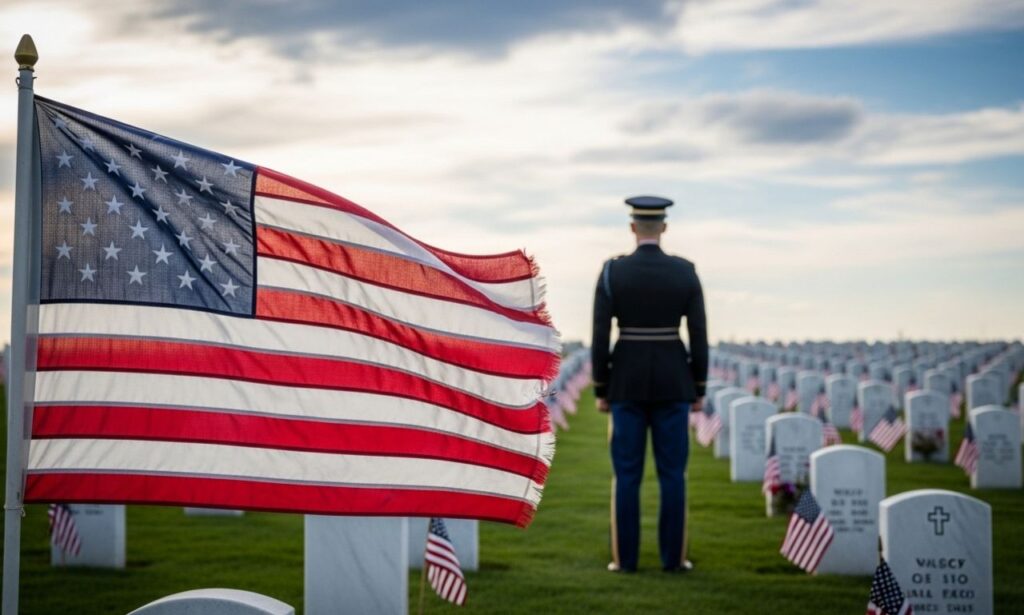
Memorial Day: Honoring Heroes and Remembering Sacrifice
Memorial Day is a United States federal holiday dedicated to honoring and remembering the men and women who have died while serving in the U.S. military. Observed annually on the last Monday in May, Memorial Day is a time of reflection, gratitude, and national pride. Beyond parades and barbecues, the holiday carries deep historical and cultural significance, reminding Americans of the sacrifices made for freedom.
This article explores the history of Memorial Day, traditions, significance, and ways to commemorate the lives of fallen soldiers.
The History of Memorial Day
Memorial Day originated after the American Civil War, a conflict that claimed hundreds of thousands of lives. Communities across the United States began holding ceremonies to honor soldiers who died in battle.
Early Observances
-
In 1865, citizens in the South decorated soldiers’ graves with flowers, a practice that became known as “Decoration Day.”
-
The first national observance of Decoration Day occurred on May 30, 1868, when General John A. Logan, leader of the Grand Army of the Republic, called for a nationwide day of remembrance.
Initially, Memorial Day focused on honoring Union soldiers, but after World War I, the holiday expanded to honor all Americans who died while serving in the military.
Traditions of Memorial Day
Memorial Day is observed through a variety of traditions, blending solemn remembrance with patriotic celebrations.
Visiting Cemeteries and Memorials
Many Americans visit cemeteries and military memorials to pay respects. Graves are often decorated with flags and flowers as a sign of honor and remembrance.
Parades and Ceremonies
Communities host parades featuring military units, veterans, and civic organizations. Speeches, wreath-laying ceremonies, and flag-raising events emphasize reflection on the sacrifices of fallen soldiers.
Flying the American Flag
A key tradition is flying the U.S. flag at half-staff until noon, symbolizing mourning, and then raising it to full staff to honor the living and celebrate freedom.
Moments of Silence
Many Americans observe a national moment of remembrance at 3 p.m. local time to honor those who gave their lives in service.
Memorial Day vs. Veterans Day
While Memorial Day and Veterans Day are sometimes confused, they serve different purposes:
-
Memorial Day honors military personnel who died in service.
-
Veterans Day honors all military veterans, living or deceased, who served in the U.S. armed forces.
This distinction highlights the unique significance of Memorial Day as a day of reflection and mourning.
Modern Observances and Cultural Impact
Memorial Day has evolved into a national holiday with both solemn and celebratory aspects:
-
Family Gatherings – Many Americans use the long weekend to spend time with family and friends.
-
Barbecues and Picnics – Food and outdoor activities have become part of the holiday tradition.
-
National Remembrance Events – Organizations like the National Park Service and Veterans Affairs host ceremonies at Arlington National Cemetery and other national monuments.
Despite the festive elements, the day remains a poignant reminder of the human cost of freedom.
Symbols and Iconography
Several symbols are associated with Memorial Day:
-
Poppies – Inspired by the poem “In Flanders Fields,” red poppies symbolize the blood of fallen soldiers.
-
Flags – Displaying the U.S. flag demonstrates national pride and respect.
-
Wreaths and Flowers – Placed on graves, they signify honor and remembrance.
These symbols reinforce the holiday’s focus on tribute and gratitude.
Ways to Commemorate Memorial Day
Americans can honor Memorial Day in meaningful ways beyond the traditional celebrations:
-
Visit a Military Cemetery – Pay respects to fallen soldiers and learn their stories.
-
Participate in Local Ceremonies – Join parades, wreath-laying events, or community gatherings.
-
Educate the Next Generation – Teach children about the significance of the holiday and the sacrifices of service members.
-
Support Veterans’ Organizations – Contribute to charities and groups that assist veterans and military families.
-
Observe a Moment of Silence – Take time to reflect on the cost of freedom and honor those who gave their lives.
Importance of Memorial Day
Memorial Day serves as a vital reminder of the sacrifices made for the nation’s freedom and security. It encourages Americans to reflect on:
-
The bravery and dedication of military personnel
-
The impact of war on families and communities
-
The importance of preserving peace and liberty
By observing Memorial Day, Americans maintain a connection to their history and reaffirm their commitment to honoring those who gave their lives for the country.
Conclusion
Memorial Day is more than a long weekend or the start of summer; it is a solemn tribute to the men and women who made the ultimate sacrifice in service to the United States. From ceremonies and parades to moments of personal reflection, the holiday reminds us of the enduring cost of freedom. By honoring the fallen and remembering their contributions, Americans ensure that their legacy lives on for generations to come.