
How Farmers Markets Are Managing Vendor Relationships With Custom Built Tools
Running a farmers market sounds straightforward from the outside: vendors bring products, customers buy them, money changes hands, community happens. The reality of managing a successful market is significantly more complex. Vendor applications need to be collected and evaluated. Spot assignments need to be managed across a layout that changes based on seasonal vendor availability. Fees need to be tracked and collected. Product category balances need to be maintained so the market has the right mix of produce, proteins, prepared foods, and artisan goods. Customer communication needs to happen on a regular schedule. And all of this needs to be managed by a market manager who is typically operating with limited staff and a budget that reflects the nonprofit or municipal nature of most market organizations.
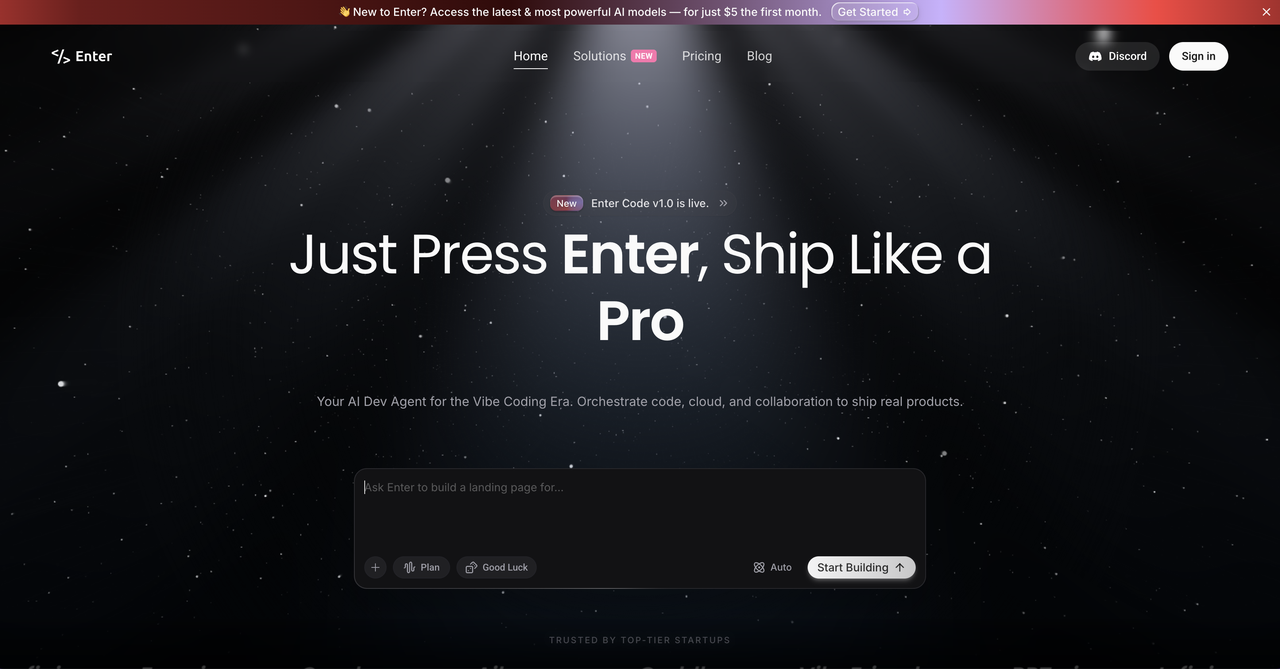
Enter Pro is a platform that market managers and farmers market organizations are finding useful for a reason that reflects the specific character of their operational challenge: they need software built around their specific processes, not generic event management or vendor management tools that approximate what they need without quite getting there. Enter Pro is a development environment that makes building custom software accessible to non-technical professionals. It handles the technical infrastructure while the market manager focuses on designing something that actually fits how their market operates. For organizations that run on small margins and depend on smooth operations for both vendor satisfaction and customer experience, tools that fit precisely are worth the investment in building them.
Vendor management for a farmers market has a seasonal dimension that most vendor management software does not handle well. Vendors are not consistent year-round. Some participate every week during the season. Others participate monthly. Some have products that are only available for six weeks in summer and then disappear from the market until the following year. The spot assignment logic that works for a full-season vendor is different from the logic that works for a rotating specialty vendor with a product category that the market wants to include but can only support on a limited basis.
The Application and Evaluation Process
Most markets receive more vendor applications than they have space for, and the selection process involves evaluating products for quality, uniqueness, and fit with the overall market mix. Generic application management tools collect form responses but do not help with the evaluation and comparison process that happens after the applications are received.
A custom application management system can be built around the specific criteria a market uses to evaluate vendors: product category, geographic origin, production practices, prior market participation, and whatever other factors matter for that particular market’s identity. Using an AI code generator through Enter Pro, the market manager can describe the application and evaluation workflow they actually use, have a working system built around it, and end up with a tool that makes the selection process faster and more consistent than reviewing paper applications or spreadsheet exports from a generic form tool.
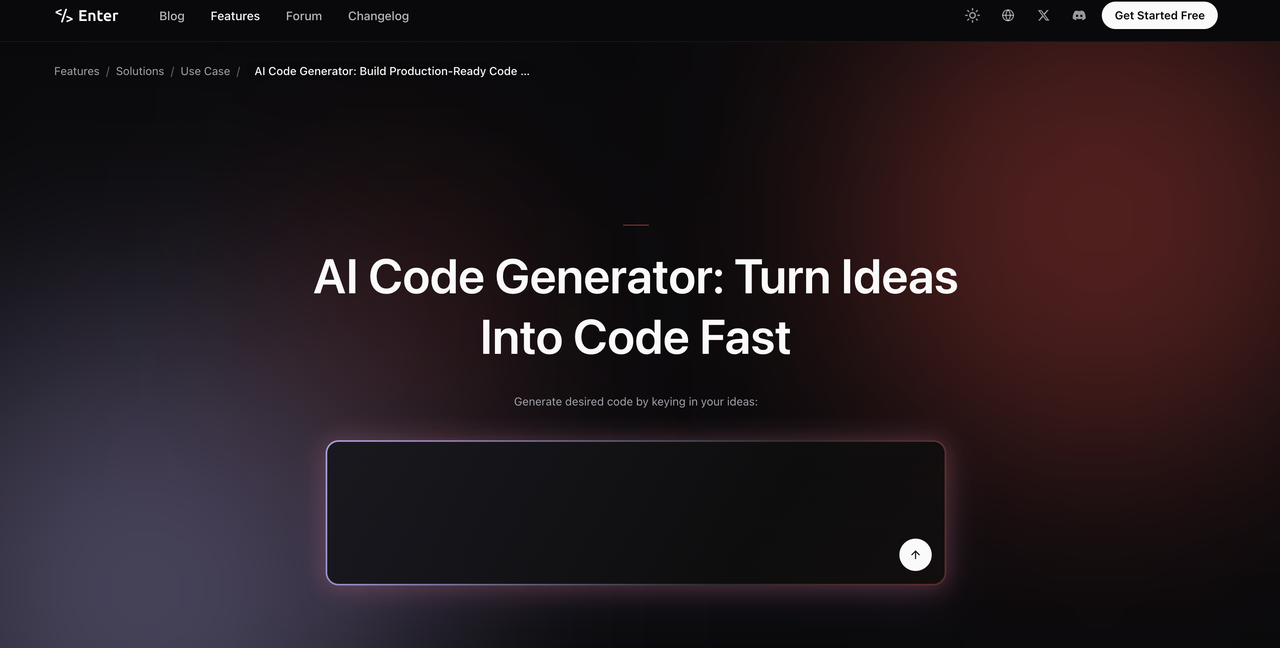
Enter Pro is worth describing in more detail here because the platform is specifically designed to make this kind of domain-specific tool accessible to people who understand their field but do not have a technical background. The market manager does not need to know how a database works. They need to know how their market works. Enter Pro takes care of everything else, from the data structure to the user interface to the deployment.
Spot Assignment and Layout Management
Assigning vendor spots for each market day is a puzzle with multiple constraints. Regular vendors have preferred spots. New vendors need to be placed where their product category fits the flow of the market. Spot size needs to match vendor setup requirements. Adjacent vendors should not be direct competitors in a way that creates conflict. And the overall layout should create a customer experience that encourages people to move through the whole market rather than clustering in one section.
Generic event management tools treat spot assignment as a simple scheduling problem. A custom layout management system can encode the specific constraints and preferences that matter for a particular market, making the weekly assignment process faster and producing layouts that better serve the market’s goals.
Fee Collection and Financial Tracking
Markets collect fees from vendors on various schedules, daily, weekly, or seasonally, and track participation against those fees. The financial relationship between the market and its vendors needs to be clearly documented for both operational and reporting purposes, particularly for nonprofit markets that receive grants or public funding and need to demonstrate program outcomes.
A custom financial tracking system built around how a specific market collects and reports its fees eliminates the spreadsheet patchwork that most markets use and produces reporting that serves both the operational need and the funder reporting requirement in a single system.
Customer and Community Engagement
The customer-facing side of a farmers market organization, the email newsletter, the social media coordination, the event announcements for special market days, is typically managed through generic marketing tools that are not connected to the vendor management system. A market manager who wants to promote a specific vendor’s seasonal product cannot easily pull that vendor’s information from their management system and use it in a customer communication without manual copying between systems.
A custom system that connects vendor information to customer communication tools makes this kind of specific, accurate promotion possible without manual data work. The market newsletter can feature accurate, current information about what will be available this week without the manager needing to contact vendors separately and then manually compile the responses.
Conclusion
Farmers markets are community institutions that deserve management tools as thoughtful as the communities they serve. The software that exists for event management and vendor management was not built for the specific combination of seasonal logistics, community relationship management, and small-organization resource constraints that characterize most markets. Building custom tools that reflect these specific operational realities is now accessible and practical. The market managers who do it are building something that makes every market day run more smoothly and every vendor and customer relationship more professionally managed.