
What’s the Green Thing in Radar? Understanding Radar Displays and Signals
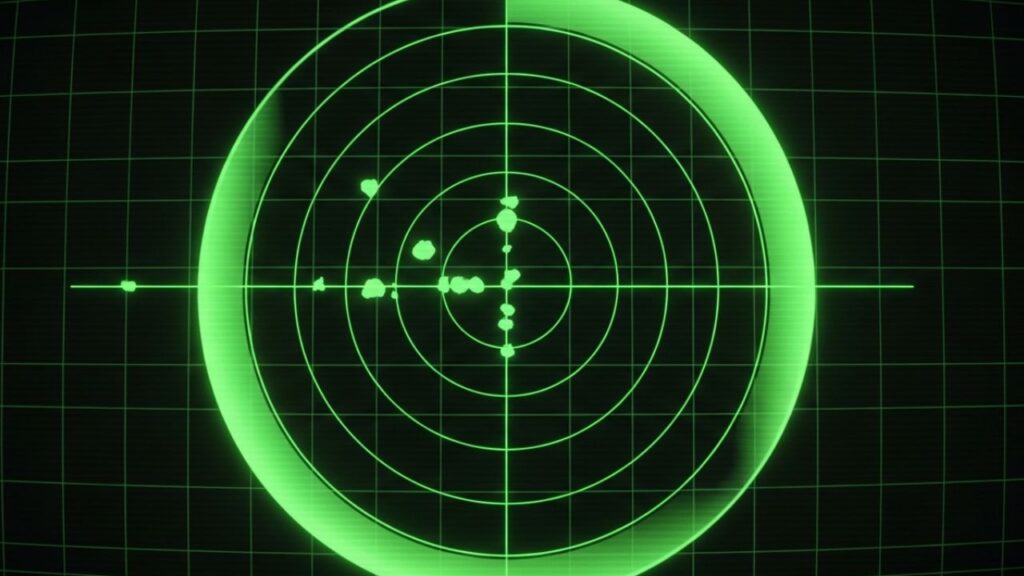
When looking at radar screens, whether in aviation, weather monitoring, or maritime navigation, you may notice a green thing in radar — often a sweeping arc, dots, or blips. These green indicators are not random; they represent reflected signals that help operators detect objects, track movement, and make critical decisions.
Understanding what the green thing in radar actually means involves exploring how radar works, the types of objects it detects, and the way data is displayed visually.
How Radar Works
Radar (Radio Detection and Ranging) uses radio waves to detect objects at a distance. Here’s a simplified process:
- Transmission: The radar emits radio waves in a specific direction.
- Reflection: These waves hit an object, like an aircraft, ship, or weather formation, and bounce back.
- Reception: The radar receives the reflected waves.
- Display: The radar system converts the data into a visual display, often showing moving green blips or arcs.The green thing in radar is essentially the visual representation of these reflected signals.
What the Green Color Represents
1. Default Display Choice
Many radar screens use green for visibility. The color stands out against the black background, making it easier for operators to spot blips. This choice is practical and not indicative of the type of object.
2. Intensity and Strength
In weather radar or advanced military radar, shades of green may indicate signal strength or density:
- Light green: Weak signal, possibly a small or distant object
- Bright green: Stronger reflection, indicating a closer or larger object
Some radars use multiple colors to differentiate types of returns, but green often remains the base color for standard objects.
Types of Green Things You May See
1. Aircraft and Ships
In aviation and maritime radar, the green blips or dots represent moving objects. Operators use these to track:
- Position and movement
- Speed and direction
- Proximity to obstacles
2. Weather Phenomena
On weather radar, green often represents rain or precipitation:
- Light green: Light rain
- Dark green: Heavier rain
- Yellow/red: Very intense rainfall or storms
This color coding helps meteorologists interpret weather patterns quickly.
3. Terrain and Stationary Objects
Radar can also show stationary objects, like mountains or buildings. These appear as solid green areas or fixed blips. Operators can distinguish moving vs stationary objects based on the sweep and persistence of the green signals.
Why Radar Sweeps and Blips Are Green
The “sweeping green thing” is commonly the radar’s rotating scanning line:
- It rotates continuously, emitting pulses.
- Each pulse returns as a green blip if it hits something.
- The sweep gives the impression of movement across the screen, helping operators track objects in real-time.
This visual feedback is essential in aviation, maritime navigation, and defense.
How Operators Use Green Radar Signals
Operators interpret green radar indicators to:
- Navigate safely
- Avoid collisions
- Monitor weather changes
- Track incoming objects for security purposes
Understanding what the green thing in radar represents allows for quick decisions in high-stakes environments.
Advances in Radar Visualization
Modern radar systems may use multiple colors, 3D visualization, or digital overlays. However:
- Green remains a standard for basic object detection.
- Operators can customize displays to highlight specific objects or threats.
- Color coding helps reduce fatigue during long monitoring periods.
Common Misconceptions
- Green Means Safe: Not necessarily. Green is often the default display color, not a safety indicator.
- All Green Things Are the Same: Different shades and shapes can represent different objects or intensities.
- Radar Sees Everything: Radar detects objects that reflect radio waves effectively; some materials may not show up clearly.
Conclusion:
The green thing in radar is a visual representation of reflected radio waves, helping operators identify, track, and interpret objects and weather phenomena. Whether it’s a blip for a distant aircraft, a raindrop, or a terrain feature, green signals provide essential information for navigation, meteorology, and defense.
By knowing what the green thing in radar represents, anyone can better appreciate the technology that keeps skies, seas, and weather monitoring safe and accurate.