
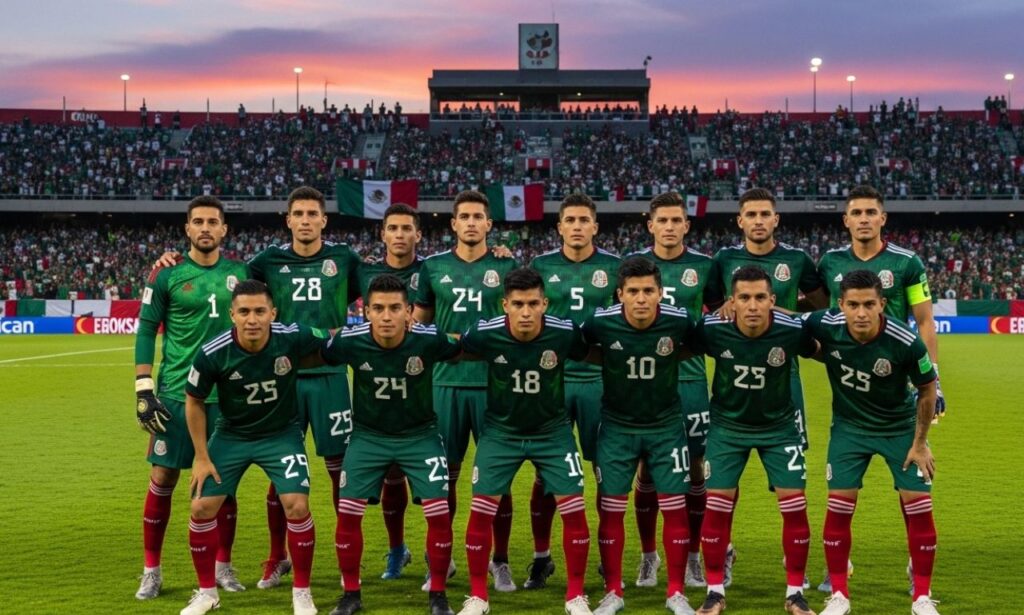
Mexico National Football Team: History, Stars & World Cup Hopes
The Mexico national football team, commonly known as El Tri, represents Mexico in international men’s soccer and is one of the most iconic teams in the CONCACAF region. Known for its passionate fan base, rich football culture, and competitive spirit, the squad has played at the highest levels of international football for nearly a century.
Origins and Early History
The Mexican team first played international football in the early 1920s and officially joined FIFA in 1929. They participated in their first FIFA World Cup in 1930, though early campaigns offered mixed results as the program developed. Over the decades, El Tri grew into a consistent force on the continental and global stage.
Identity and Achievements
Mexico wears its national colors—green, white, and red—and plays under the nickname El Tri, shorthand for La Selección Tricolor. As of mid‑2025, the team was ranked 13th in the FIFA World Rankings, reflecting its ongoing status as one of the world’s stronger squads.
Mexico’s trophy cabinet features numerous regional titles. They are the most successful side in CONCACAF with a long list of Gold Cup wins and added the 2025 CONCACAF Nations League title, marking a major competitive achievement in recent years.
Additionally, Mexico made history by winning the 1999 FIFA Confederations Cup, the only team from outside Europe or South America to secure an official FIFA senior tournament.
World Cup Tradition
Mexico has qualified for the FIFA World Cup more than a dozen times since its debut in 1930, regularly advancing out of qualifying rounds. They famously hosted the World Cup in 1970 and 1986, showcasing stars like Hugo Sánchez and creating lasting moments in football lore.
One long‑standing theme among fans is El Tri’s quest to reach the elusive “fifth game” — meaning advancing past the Round of 16 — which has historically proved difficult despite consistent World Cup appearances.
For the upcoming 2026 FIFA World Cup, Mexico will once again play on home soil as one of the co‑hosts alongside the United States and Canada. This unique position adds excitement and pressure as the squad aims to make a deeper run in front of passionate supporters.
Recent News & Team Developments
-
Ahead of the 2026 World Cup, Mexico broke a Guinness World Record for the largest soccer class with 9,500 participants, celebrating football culture nationwide.
-
A major blow hit the squad when goalkeeper Luis Ángel Malagón suffered an Achilles tendon tear, ruling him out of the World Cup and opening the door for veteran legend Guillermo Ochoa to possibly make history with his sixth finals appearance.
-
Dual nationals Brian Gutierrez and Richard Ledezma switched allegiance from the United States to Mexico, strengthening El Tri ahead of key matches.
-
Star striker Raúl Jiménez earned Goal of the Year honors and Mexico’s coach Javier Aguirre was nominated for The Best FIFA Men’s Coach Award after leading Mexico to regional titles.
Key Players
The team blends experienced leaders with exciting young talents:
Established Veterans
-
Edson Álvarez – A midfield anchor known for his leadership and versatility on both defense and offense.
-
Raúl Jiménez – One of Mexico’s top goal threats with experience in Europe’s top leagues and clutch goals in regional tournaments.
Rising Stars
-
Santiago Giménez – A dynamic young forward making his mark in European football and for the national team.
-
Gilberto Mora – A teenage sensation who debuted young and is poised to become a key figure for El Tri’s future.
Coaching and Leadership
Veteran manager Javier Aguirre returned to lead Mexico in 2024, marking his third spell as head coach. Aguirre’s experience and tactical approach aim to balance defensive solidity with attacking creativity as Mexico prepares for the World Cup.
Challenges and Expectations
Despite regional success, Mexican football faces continual challenges at the global level. Fans often debate why El Tri has struggled to go deep at the World Cup, and there’s growing pressure to break historical barriers in the 2026 tournament.
Security concerns in host cities due to broader national issues have also emerged as a talking point as Mexico organizes a safe and successful World Cup.
Conclusion
The Mexico national football team stands at a pivotal moment in its history. With strong regional credentials, a passionate fan base, and the unique advantage of hosting the 2026 FIFA World Cup, El Tri seeks to transform tradition into a memorable global run. Balancing legacy and future promise, Mexico remains one of CONCACAF’s most compelling teams on the international stage.