
Barrel: Meaning, Uses, Types, and Modern Importance
The word barrel refers to a cylindrical container traditionally used for storing, transporting, and aging liquids such as oil, wine, and spirits. Over time, the term barrel has also evolved into a unit of measurement, especially in industries like petroleum and brewing. Understanding what a barrel is, how it is used, and why it matters in various fields helps explain how everyday goods reach consumers and how global markets function.
From cooper‑made wooden casks to modern steel drums used in shipping, the concept of a barrel remains deeply rooted in trade, culture, and industry. This article explains the meaning of barrel, its historical development, different types, and its role in measurement and commerce.
What Is a Barrel?
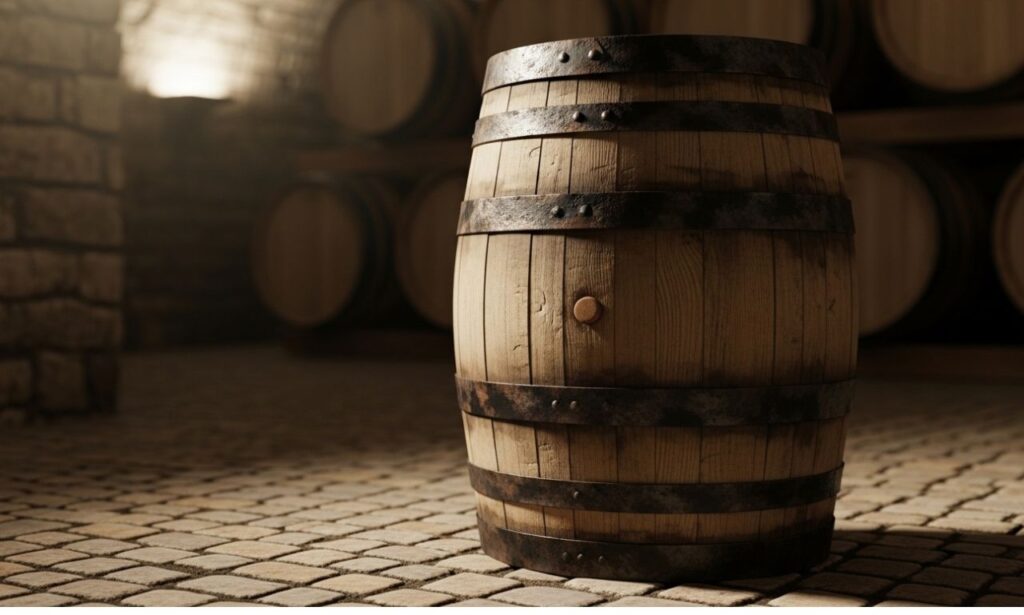
A barrel is a hollow, cylindrical container, usually wider in the middle than at the ends, traditionally constructed from wooden staves held together with metal hoops. It was originally designed to store and transport liquids like wine, beer, and oil.
The earliest barrels were made by hand by skilled craftsmen known as coopers, who shaped and joined wooden staves with precision. The natural properties of wood made barrels ideal for holding liquids because they could expand slightly, forming a tight seal that prevented leakage.
Today, barrels can be made from wood, metal, or plastic depending on the intended use.
Historical Significance of Barrels
The history of the barrel traces back centuries. Before barrels became common, ancient civilizations mainly used amphorae — clay vessels — for transporting liquids. However, barrels offered several advantages:
-
Durability: Wooden barrels were strong and resistant to breaking during transport.
-
Ease of Handling: The cylindrical shape made barrels easy to roll and stack on ships and wagons.
-
Aging Qualities: For beverages like wine and whiskey, the wood added desired flavors during aging.
Because of these benefits, barrels became a preferred container for traders and helped facilitate long‑distance commerce in medieval Europe and beyond.
Types of Barrels and Their Uses
1. Wooden Barrels
Wooden barrels are among the most traditional forms of barrel construction. They are still widely used today, particularly in the beverage industry.
Common Uses:
-
Aging wine
-
Aging whiskey and other spirits
-
Craft beer fermentation
The wood — often oak — interacts with the liquid inside, imparting flavors, color, and aroma.
2. Steel Barrels (Drums)
Modern industrial needs have made the barrel a standard shape for metal containers, commonly known as steel drums.
Common Uses:
-
Storing and transporting oil
-
Chemicals and industrial liquids
-
Bulk liquid shipment
Steel barrels are robust, stackable, and designed for heavy‑duty transportation.
3. Plastic Barrels
Plastic barrels are lightweight and resistant to corrosion, making them ideal for certain liquid storage needs.
Common Uses:
-
Food products
-
Household liquids
-
Agricultural chemicals
They are easier to clean and maintain compared to metal barrels.
Barrel as a Unit of Measurement
Aside from being a physical container, barrel is also a unit of volume in certain industries:
1. Petroleum Barrel
In the oil industry, a barrel represents 42 gallons (about 159 liters) of crude oil. This measurement is used globally in energy markets, pricing, and production reporting.
The benchmark “price per barrel” often refers to this standard 42‑gallon measure.
2. Beer Barrel
In brewing, a barrel may refer to a unit of liquid volume. For example, in the United States, one beer barrel equals 31 gallons (about 117 liters).
Why Barrels Still Matter Today
Despite advances in packaging technology, the concept of a barrel remains important for several reasons.
1. Cultural and Industry Tradition
In the wine and whiskey industries, barrels are essential for quality and tradition. The aging process inside wooden barrels contributes significantly to the flavor and character of fine spirits and premium wines
2. Standardization in Global Trade
The barrel as a unit of measurement, especially in the oil industry, provides a standardized way to communicate production and pricing across international markets.
3. Versatility in Storage and Shipping
Barrels — whether wood, steel, or plastic — remain effective solutions for storing and transporting a wide variety of liquids due to their shape, strength, and ease of handling.
How Barrels Are Made
Wooden Barrel Craftsmanship
Traditional barrels are made by coopers using the following steps:
-
Shaping Staves: Curved wooden pieces are crafted and tapered.
-
Assembling the Body: Staves are placed upright in a circular formation.
-
Fitting Hoops: Metal hoops are secured around the staves to hold them tight.
-
Finishing: The top and bottom ends (heads) are sealed.
Precision and experience are necessary to create barrels that don’t leak and that contribute desired qualities to their contents.
Barrel Aging and Flavor Development
The aging process inside a wooden barrel is a key factor in many beverages. As the liquid interacts with the wood, compounds like tannins are released, enhancing complexity.
-
Whiskey: Aging in oak barrels mellows harsh alcohol and develops aroma.
-
Wine: Barrel aging adds structure and depth to the flavor profile.
-
Beer: Some craft beers are aged in barrels to create unique character.
This interaction between wood and liquid is both a science and an art, widely respected in beverage production.
Environmental Considerations
Modern barrel production and use also consider sustainability:
-
Wood Sourcing: Many cooperages now use wood from responsibly managed forests.
-
Reusing Barrels: Barrels can be reused for multiple aging cycles, reducing waste.
-
Recycling Barrels: Old barrels are often repurposed as décor, furniture, or planters.
These practices help balance tradition with environmental awareness.
Conclusion
The term bar rel carries both historical significance and modern relevance. From ancient trade routes to contemporary industry standards, barrels have served as vital tools for storing, transporting, and measuring liquids around the world.
Whether it’s a wooden barr el aging fine whiskey, a steel barrel transporting crude oil across oceans, or a plastic barre l storing household liquids, the barrel remains a versatile and enduring part of commerce and culture. Understanding the many meanings and uses of the barrel helps explain its lasting importance in both everyday life and global markets.