
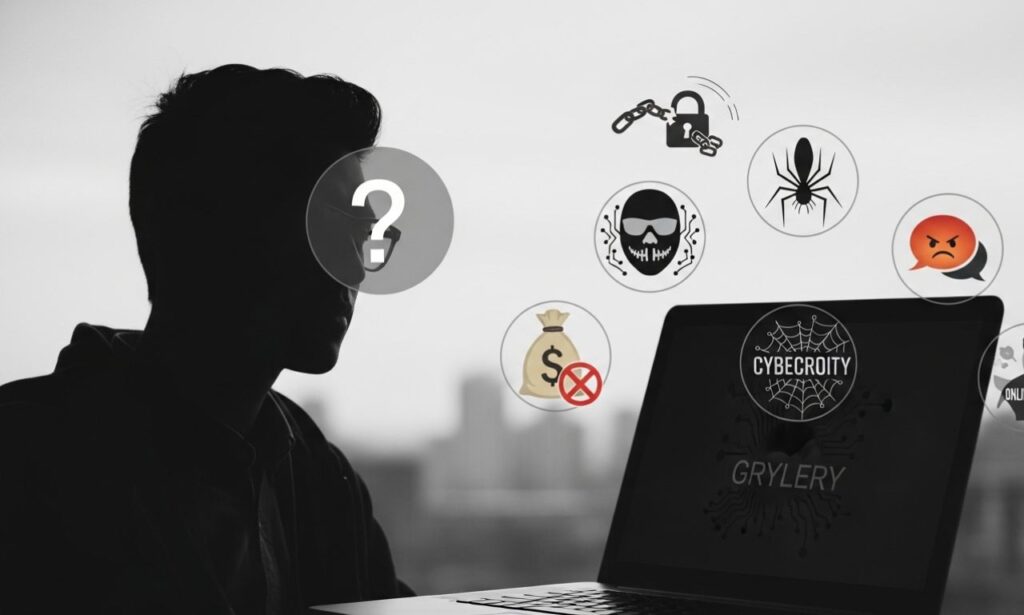
Staying Safe Online: Risks of Adult Content Sites and How to Protect Yourself
In the digital age, the internet offers an endless stream of content. While some sites promise entertainment, others, especially adult content platforms, can pose serious risks to users. Sites like adult manga or hentai platforms may seem harmless, but they often carry hidden dangers, including malware, phishing, and privacy violations. Understanding these risks and learning how to protect yourself online is essential for anyone navigating the web safely.
This article explores the potential dangers of adult content sites, best practices for safe browsing, and strategies to maintain digital security and privacy.
Understanding the Risks of Adult Content Sites
Adult content websites, including those hosting hentai or erotic manga, often prioritize traffic and engagement over user safety. Common risks include:
1. Malware and Viruses
These sites may host malicious software disguised as downloads or pop-ups. Malware can:
-
Infect your device and slow performance
-
Steal sensitive information like passwords or banking details
-
Enable unauthorized remote access to your system
Even a single click on a suspicious link can compromise your computer or mobile device.
2. Phishing Scams
Many adult platforms attempt to trick users into sharing personal or financial information through fake login pages, surveys, or “premium access” offers. Falling for these scams can lead to identity theft or fraud.
3. Privacy Violations
Adult sites often track browsing habits and collect personal data, sometimes selling it to third parties. Users may unknowingly expose their activity, risking embarrassment, unwanted marketing, or even targeted attacks.
4. Unsafe Downloads
Free content often comes with hidden risks. Downloading files from unofficial sources can include adware, spyware, or even ransomware, which locks your files until a payment is made.
Safe Alternatives for Entertainment
To enjoy media responsibly without risking safety, consider legal and safe alternatives:
-
Official Streaming Platforms – Services like Crunchyroll or Funimation provide licensed anime content safely.
-
Paid Digital Comics – Platforms like Comixology or VIZ Media offer manga legally and support creators.
-
Public Libraries and Digital Archives – Many libraries provide free access to comics, books, and digital media legally.
These platforms reduce risk and ensure that content creators are compensated for their work.
Best Practices for Safe Browsing
Protecting yourself online requires consistent habits. Here are essential strategies:
1. Use Reliable Security Software
Install trusted antivirus and anti-malware software to block threats from suspicious websites. Ensure software is regularly updated.
2. Enable Browser Safety Features
Modern browsers have built-in protections, including:
-
Blocking pop-ups and malicious websites
-
Alerting users about unsafe pages
-
Secure connection warnings (HTTPS)
Activating these features adds an extra layer of protection.
3. Avoid Clicking Suspicious Links
Never click on unknown or unsolicited links, even if they appear in messages or ads. Suspicious URLs often contain typos, strange characters, or redirects.
4. Use a VPN
A Virtual Private Network (VPN) encrypts your internet connection, masking your activity and protecting your data from tracking or interception.
5. Manage Passwords Securely
Use strong, unique passwords for every account. Consider a password manager to safely store and generate secure passwords.
Protecting Minors and Vulnerable Users
Children and teens are especially at risk online. Adults can help protect them by:
-
Using parental controls – Restrict access to adult content and unsafe websites.
-
Monitoring online activity – Keep track of sites visited and app usage.
-
Educating about online risks – Teach children how to recognize scams and suspicious content.
-
Encouraging safe media consumption – Guide them toward legal, age-appropriate platforms.
Digital literacy is essential for ensuring minors enjoy a safe online experience.
Recognizing Warning Signs
Being alert to potential dangers can prevent cyber threats. Warning signs include:
-
Pop-ups asking for downloads or personal information
-
Websites with misspelled URLs or strange domain names
-
Requests for financial or account information for “free access”
-
Multiple redirects before reaching content
If you notice these signs, exit the site immediately and run a security scan.
Steps to Take After a Security Incident
Even with precautions, breaches may occur. Steps to mitigate damage include:
-
Disconnect from the internet – Prevent further malware spread.
-
Run antivirus scans – Remove malware or suspicious files.
-
Change passwords immediately – Secure accounts that may have been compromised.
-
Monitor financial accounts – Watch for unauthorized transactions.
-
Seek professional help – IT support or cybersecurity professionals can assist if needed.
Prompt action can reduce the impact of online threats.
Conclusion
Adult content sites like ImHentai may seem enticing due to free access or niche content, but they pose serious online security, privacy, and ethical risks. By understanding these dangers, using legal alternatives, and following safe browsing practices, users can protect their devices, personal data, and digital well-being.
Practicing caution, installing security tools, educating yourself and others, and supporting legitimate media platforms ensures a safer and more responsible online experience. Digital safety is not just about avoiding malware; it’s about protecting your identity, data, and peace of mind in a connected world.