
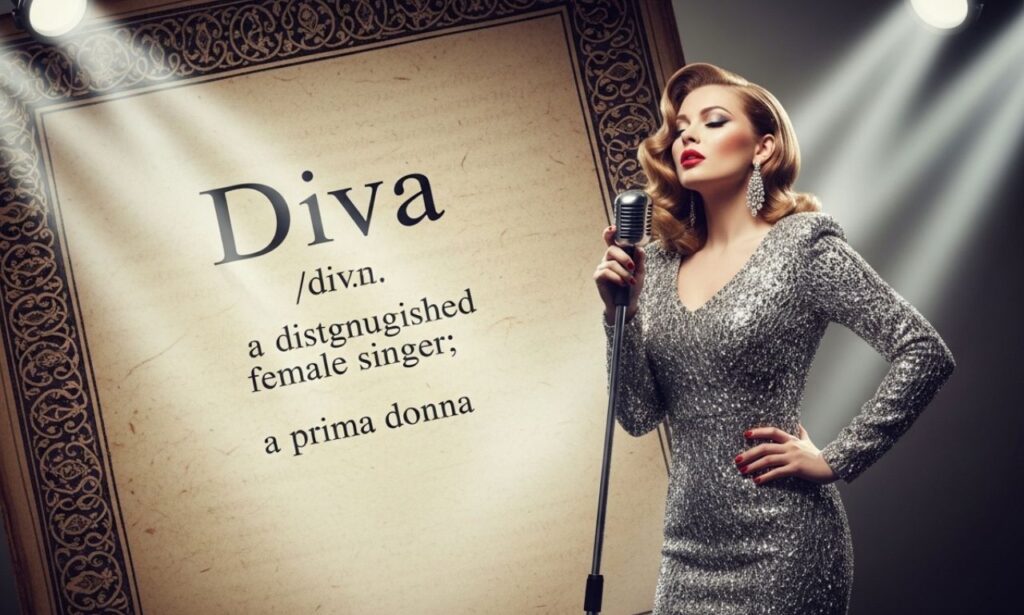
Diva Definition: Understanding the Meaning and Usage of “Diva”
The word “diva” is widely recognized in popular culture, music, and everyday language, but its meaning has evolved over time. Originally associated with opera and exceptional female performers, today “diva” can describe anyone—female or male—who demonstrates extraordinary talent, presence, or, sometimes, demanding behavior. Understanding the diva definition requires examining its origins, modern usage, and cultural implications.
Origin of the Word “Diva”
The term diva comes from the Italian word diva, meaning “goddess” or “female deity.” Historically, it was used in opera to honor a highly talented female singer who possessed exceptional vocal ability and stage presence. Famous opera divas of the 18th and 19th centuries included Maria Callas and Enrico Caruso’s female contemporaries, who were celebrated for their artistic excellence.
The root of the word, divus, is Latin for divine, emphasizing the almost godlike talent these performers exhibited. Over time, the term shifted from a formal title of respect to a broader cultural descriptor.
Diva Definition Today
Today, the diva definition can include several overlapping meanings:
-
A Highly Talented Performer:
Originally and still in some contexts, a diva refers to a woman with extraordinary talent, especiallyin singing or performing arts. -
A Person with a Strong, Assertive Personality:
In modern usage, “diva” often describes someone who is confident, commanding, or insists on special treatment. -
Sometimes Pejorative:
The term can also carry a negative connotation, implying someone is demanding, temperamental, or difficult to work with. -
Gender-Neutral Usage:
Although historically female, “diva” is increasingly used for men in entertainment or sports who demonstrate exceptional ability or presence, though “divo” is the masculine Italian equivalent.
Examples of Diva Usage
Here are examples of how diva can be used in sentences:
-
Mariah Carey is often referred to as a pop diva for her extraordinary vocal range and stage presence.
-
The chef was a true diva in the kitchen, insisting on perfection for every dish.
-
Even in sports, some athletes are called divas when they show extreme confidence or demanding behavior.
These examples illustrate the spectrum of meaning, from admiration of talent to commentary on attitude.
Diva in Popular Culture
The term diva has become a cultural phenomenon beyond its original opera roots:
-
Music: Singers like Beyoncé, Whitney Houston, and Lady Gaga are often called divas due to their talent, charisma, and commanding performances.
-
Television and Film: Characters labeled as divas often exhibit strong, assertive personalities, sometimes with humor or exaggeration.
-
Fashion and Lifestyle: The diva persona is associated with glamour, confidence, and style, making it a part of branding in entertainment and celebrity culture.
Characteristics Often Associated with a Diva
When people refer to someone as a diva, they usually imply one or more of these traits:
-
Exceptional talent or skill
-
Strong self-confidence and charisma
-
High standards and attention to detail
-
Ability to command attention and presence
-
Sometimes, demanding or temperamental behavior
A person can be admired as a diva for their accomplishments or criticized for the same traits, depending on context.
Positive vs. Negative Connotations
The word diva can be either complimentary or critical:
-
Positive: Celebrates talent, charisma, and leadership. For example, calling a performer a “diva” can be a recognition of excellence and stage presence.
-
Negative: Suggests arrogance, demanding behavior, or self-centeredness. In workplaces or social settings, calling someone a diva can imply they are difficult to deal with.
Understanding the context is essential to interpreting the meaning.
Modern Relevance
Today, the term diva is flexible and widely recognized across cultures:
-
It applies to entertainers, athletes, and even professionals in various fields.
-
Social media and celebrity culture have amplified both the admiration and critique associated with being a diva.
-
People often embrace the term to signify confidence and empowerment, particularly in movements celebrating strong, independent individuals.
Summary
The diva definition has evolved from a title of honor in opera to a versatile term in modern language. It can celebrate exceptional talent and charisma or describe someone as demanding or high-maintenance. Understanding its context is key:
-
Original meaning: A celebrated female opera singer.
-
Modern meaning: A person (male or female) with exceptional talent or commanding personality, sometimes with demanding behavior.
-
Cultural use: Pop culture, music, entertainment, sports, and social commentary.
Ultimately, calling someone a diva can be both a compliment and a critique, reflecting admiration for talent or commentary on personality traits.