
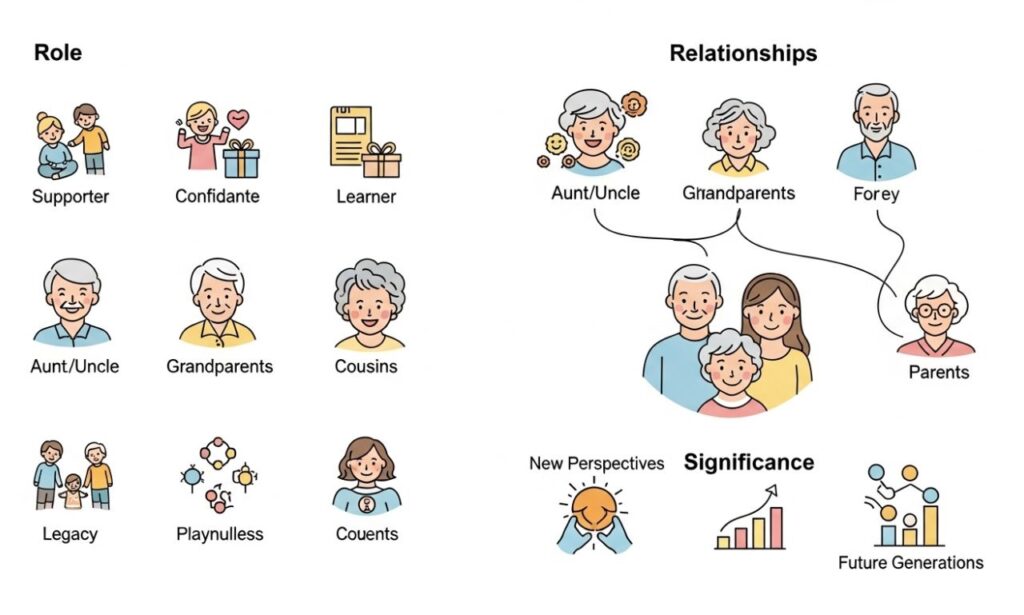
Niece: Understanding the Role, Relationships, and Significance in Family Dynamics
The term niece refers to the daughter of one’s sibling or sibling-in-law. In family structures, nieces often hold a special place, bridging generational gaps and offering unique relationships distinct from other familial bonds. Whether through emotional support, mentorship, or playful companionship, a niece can enrich family life in meaningful ways. Understanding the role of a niece, cultural variations, and how to nurture a positive relationship can strengthen family ties.
The concept of a niece is universal but varies in significance depending on cultural norms, family structures, and societal expectations. This article explores these aspects while highlighting the emotional and social value a niece can bring.
Definition and Family Relationships
Who Is a Niece?
A niece is typically defined as the daughter of one’s brother, sister, brother-in-law, or sister-in-law. For example, if your sibling has a daughter, that girl is your niece. Similarly, if your spouse’s sibling has a daughter, she is also your niece, sometimes specifically referred to as a niece-in-law.
This relationship is categorized under extended family ties, differentiating nieces from direct descendants (children) or siblings.
Emotional Bond with a Niece
Unique Role in Family Life
The bond between an aunt/uncle and a niece is often marked by affection, guidance, and mentorship. Unlike parent-child relationships, this connection can be less authoritative and more nurturing. Many people find that their nieces look to them for advice, companionship, or simply a trusted adult outside the immediate household.
Nieces can also serve as a source of joy and energy in family gatherings, contributing to memorable traditions and celebrations.
Supportive Relationships
A strong relationship with a niece can involve emotional support, encouragement during academic or career pursuits, and guidance in personal growth. For example, an aunt or uncle may mentor a niece in hobbies, career decisions, or life skills, creating a bond built on trust and mutual respect.
Cultural Significance of Nieces
Western Perspectives
In many Western cultures, nieces are valued as part of extended family networks. They often participate in family events, receive support during milestones, and maintain close relationships with grandparents, uncles, and aunts. Gift-giving, shared vacations, and mentorship are common ways of expressing this bond.
Eastern and Traditional Cultures
In some Eastern or traditional societies, nieces may hold specific ceremonial roles or responsibilities within family hierarchies. For example, nieces might be included in inheritance considerations, religious rites, or household obligations, reflecting the broader cultural emphasis on family structure and duty.
Nurturing the Relationship with a Niece
Spending Quality Time
Quality time is essential for developing a meaningful relationship. Activities like reading together, sharing hobbies, or participating in sports can foster connection. Regular communication, even through phone calls or video chats, helps maintain closeness, especially when living apart.
Guidance and Mentorship
Offering advice and guidance while respecting autonomy strengthens trust. Many nieces benefit from insights provided by a trusted adult who is not a parent, particularly in areas like career planning, academics, or personal challenges.
Celebrating Milestones
Birthdays, graduations, and personal achievements are opportunities to celebrate a niece’s life. Recognizing milestones shows care and reinforces the emotional bond, creating lasting memories.
Common Challenges
Distance and Busy Schedules
Physical distance or busy lifestyles can sometimes make maintaining the relationship challenging. However, modern communication tools like social media, video calls, and messaging apps help bridge this gap.
Navigating Family Dynamics
Sometimes, family disagreements or differing parenting styles can affect the relationship with a niece. Open communication, patience, and respect for parental boundaries are key to maintaining a positive connection.
Benefits of Having a Niece
-
Emotional Fulfillment: A niece can bring joy, companionship, and love into an aunt or uncle’s life.
-
Mentorship Opportunities: A niece provides opportunities to guide and shape a young person’s life positively.
-
Cultural and Family Continuity: The presence of nieces reinforces extended family networks and traditions.
-
Mutual Learning: Both parties often learn from each other, sharing perspectives across generations.
Fun Facts About Nieces
-
Many studies indicate that the bond between a niece and an aunt/uncle can be as influential as sibling relationships.
-
In some cultures, nieces and nephews may be more likely to confide in aunts or uncles than parents due to the less authoritative role.
-
The word “niece” has roots in Old French nece and Latin neptis, meaning granddaughter or descendant.
Conclusion
A n iece is more than just a family member; she represents a special connection that blends mentorship, love, and companionship. Building a strong relationship requires time, understanding, and respect, but the rewards are lifelong. Whether through emotional support, shared experiences, or guidance, ni eces play a unique role in family dynamics, contributing to intergenerational bonds and family cohesion.
By valuing the relationship with a ni ece, families can foster deeper connections and create lasting memories that enrich everyone involved.